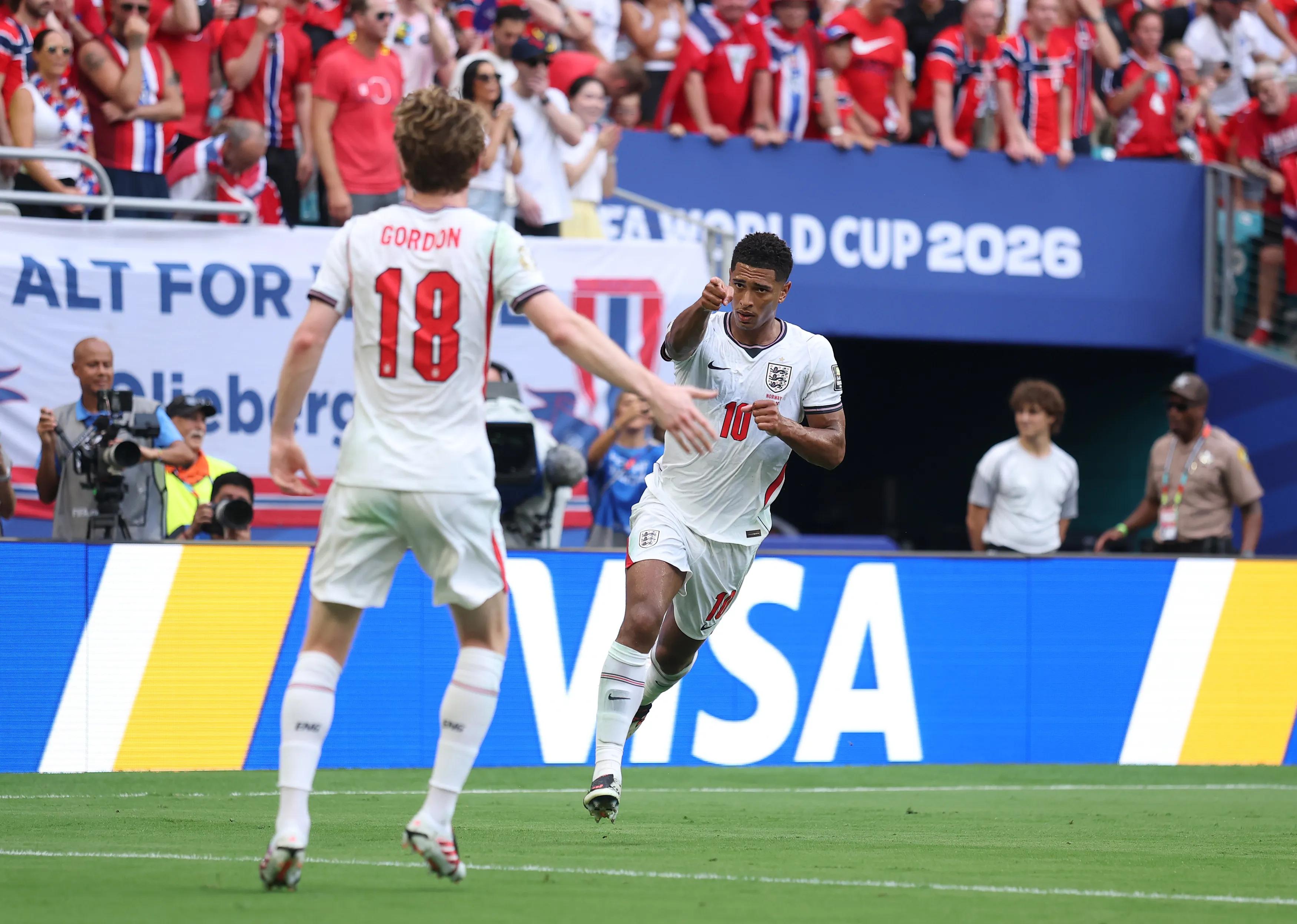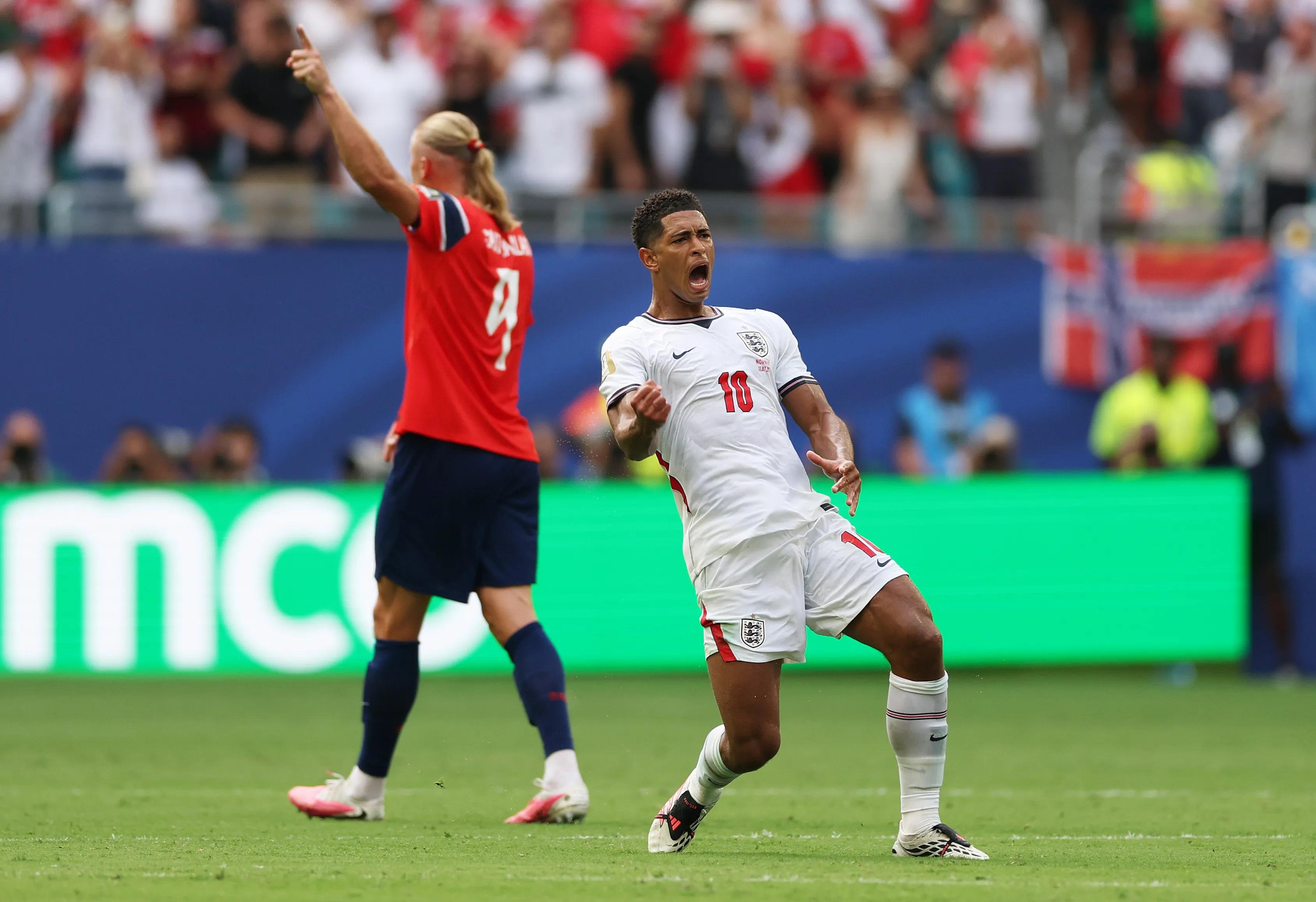
The statistics tell a story that no amount of spin can soften. Spain have eliminated France from three consecutive major tournament semi-finals — Euro 2024, Nations League 2025, and World Cup 2026 — establishing a level of dominance in high-stakes encounters that is virtually unprecedented in the modern game.
This is not merely about results. Results can be deceptive, flattering, influenced by factors beyond either team's control. What sets Spain's dominance over France apart is the manner of the victories — the comprehensive, authoritative, almost predictable nature of each success. Spain have not scraped past France on the back of a fortunate goal or a controversial decision. They have outplayed them, outthought them, and, increasingly, outbelieved them.
The Euro 2024 semi-final set the template. Spain's approach — high pressing, rapid circulation of the ball, and clinical finishing — exposed the structural weaknesses in Deschamps' system that had been papered over by individual brilliance in earlier rounds. Yamal's goal was the headline moment, but the story of the match was Spain's control of midfield, where Rodri and his cohorts made France's star-studded engine room look distinctly ordinary.
The Nations League semi-final in Stuttgart reinforced the message. France had had time to analyze, adjust, and prepare, but Spain had also evolved, adding layers of complexity to their attacking play and refining their defensive structure to neutralize the specific threats that Mbappe and his supporting cast posed. The result was another Spanish victory, achieved with a level of comfort that suggested France were further from solving the puzzle than they had been twelve months earlier.
The World Cup 2026 semi-final in Dallas was the denouement — the moment when France's Spanish problem moved from recurring inconvenience to defining crisis. Deschamps, in his final match as France manager against Spain, could not find the tactical formula that had eluded him in Munich and Stuttgart. His team selection raised eyebrows, his in-game adjustments were reactive rather than proactive, and by full-time, the impression was of a manager who had exhausted every option and still come up short.
The phrase "France's nemesis" has been attached to this Spanish generation with increasing frequency, and it fits with uncomfortable precision. A nemesis, in its original Greek sense, was an agent of retribution — an inescapable force that delivered consequences regardless of the victim's attempts to avoid them. Spain have become exactly that for France: an inescapable force that delivers elimination regardless of how France prepare, regardless of who they select, regardless of what system they employ.
The psychological dimension of this rivalry cannot be overstated. Football is a game played in the mind as much as on the pitch, and the mental gap between these two teams when they meet in semi-finals is now enormous. Spain step onto the field expecting to win; France step onto the field hoping not to lose. It is a subtle distinction, but one that manifests itself in every pass, every tackle, and every decision that the players make under the intense scrutiny of a major tournament semi-final.
Three times Spain have walked off the pitch as victors, and three times France have been left to contemplate what might have been. The pattern is clear, the evidence is overwhelming, and the conclusion is inescapable: Spain are France's worst nightmare, and there is no sign of them waking up.
Open the Original Specimen →