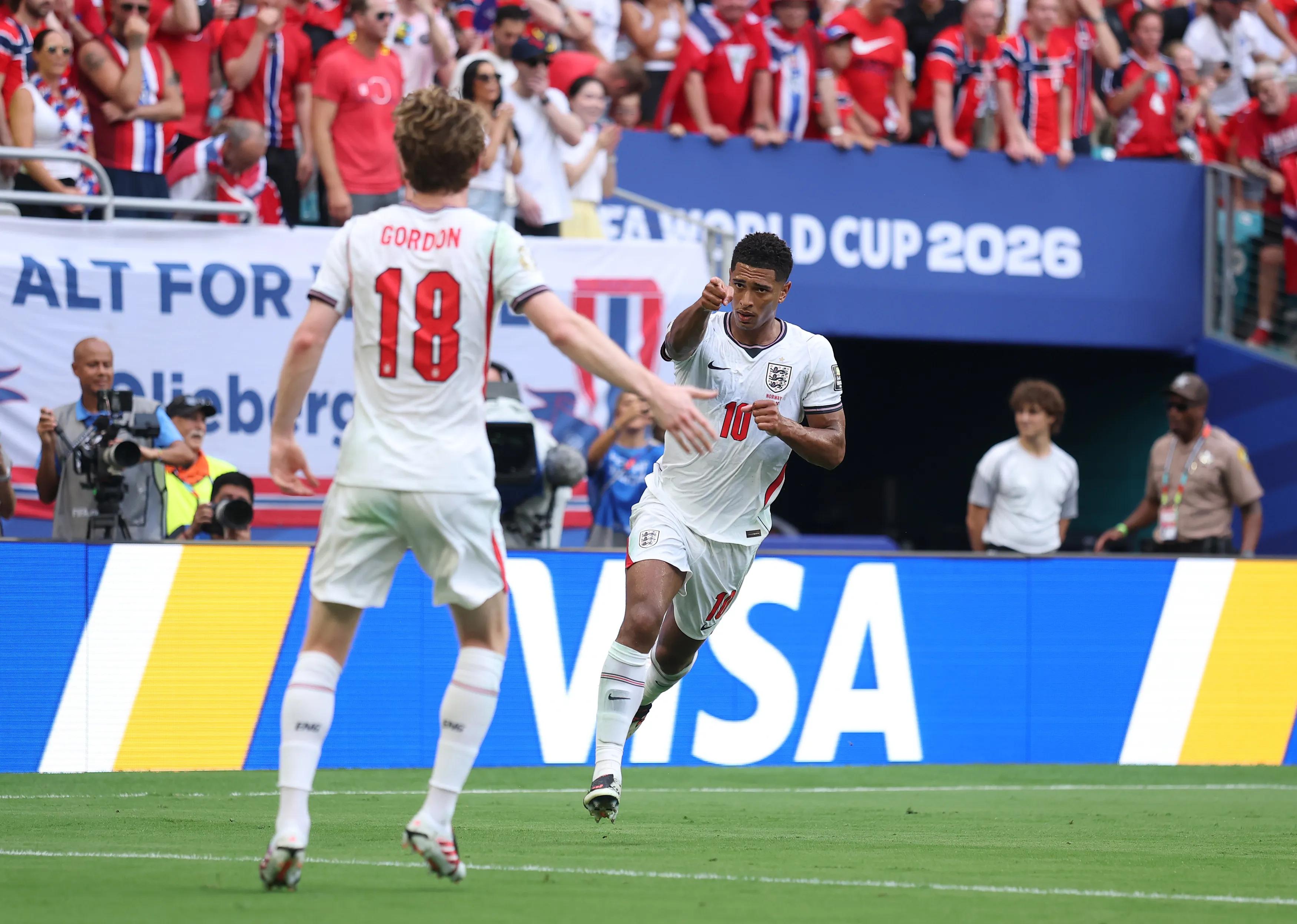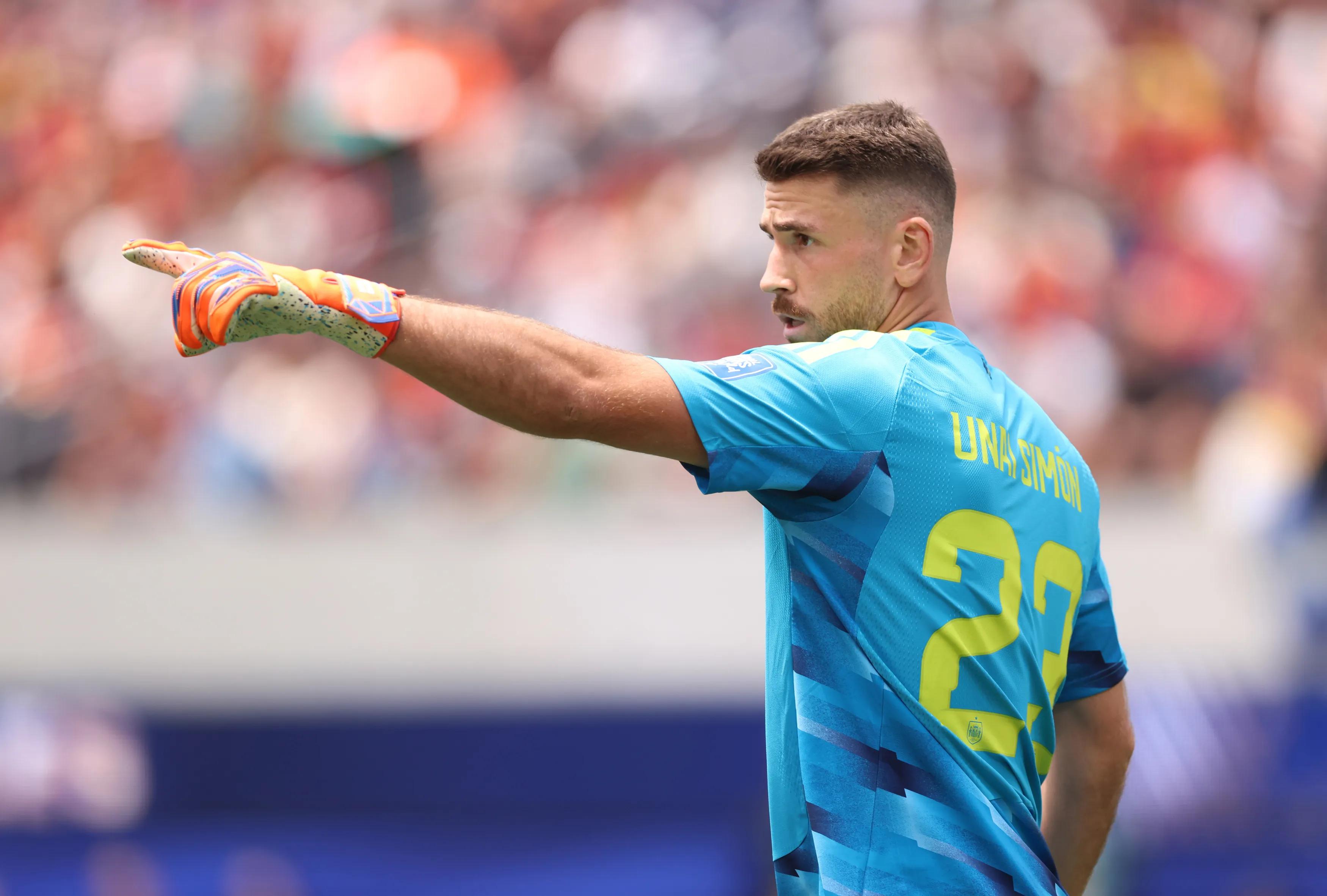
Modern football has witnessed many compelling rivalries, but few have been as brutally one-sided in recent years as the contest between Spain and France at the semi-final stage of major tournaments. What began as an intriguing tactical battle between two of Europe's finest footballing nations has evolved into a story of Spanish supremacy and French frustration that shows no sign of reaching a resolution.
The trilogy of pain for France reads as follows: Euro 2024 semi-final, defeated by Spain; 2025 Nations League semi-final, defeated by Spain; World Cup 2026 semi-final, defeated by Spain. Three tournaments, three semi-finals, three eliminations — all at the hands of the same opponent. In the history of international football, it is difficult to find a parallel for this kind of sustained, high-stakes dominance by one nation over another.
The Euro 2024 semi-final in Munich was the catalyst. Spain's 2-1 victory was not a fortunate result but a deserved one, achieved through a combination of technical excellence and tactical discipline that left France chasing the game for long periods. Yamal's extraordinary equalizer — a strike that seemed to defy physics as much as it defied Mike Maignan — shifted the momentum irrevocably, and Olmo's winner confirmed what the balance of play had been suggesting: Spain were the superior team.
France attempted to regroup for the 2025 Nations League, but the Stuttgart semi-final delivered an even more emphatic Spanish victory. This time, there was no dramatic goal to dissect or individual error to cite. Spain simply outplayed France across every metric that matters — possession, chances created, passes completed, territorial dominance. It was a performance of such comprehensive superiority that it raised an uncomfortable question for French football: is this a tactical problem or a mental one?
The World Cup 2026 semi-final in Dallas provided the definitive answer. It is both. France's 2-0 defeat was characterized by the same failings that had undermined them in Munich and Stuttgart — an inability to cope with Spain's pressing intensity, a lack of creativity in midfield, and a growing sense of resignation that spread through the team like contagion. By the time Porro sprinted clear to score Spain's second, France were a beaten side in every sense of the word.
The implications of this triple elimination extend far beyond the immediate results. For Didier Deschamps, it means his extraordinary reign as France manager concludes with an asterisk — the footnote that Spain were the team he could never overcome when it mattered most. For Mbappe, it means three major tournaments have ended in semi-final disappointment against the same opponent, a scar on his otherwise glittering career. For French football as a whole, it means a fundamental reckoning with the fact that their approach to tournament football, so successful against almost every other opponent, simply does not work against Spain.
Spain, meanwhile, have discovered a psychological edge that transcends tactics. They know, with the certainty that only repeated success can bring, that they have France's measure. This knowledge breeds confidence, and confidence breeds performance, and performance breeds victory, and victory breeds more knowledge — a virtuous cycle that shows no sign of breaking.
The French have become trapped in a vicious cycle of their own. Each defeat to Spain increases the pressure for the next encounter, and the pressure increases the likelihood of another defeat. It is a prison of their own making, and Spain hold all the keys.
When the draw for future tournaments is made, French supporters will scan the bracket with one overriding fear: where are Spain? And when they find them, they will know, with a sinking certainty, that the nightmare is far from over.